The Significance of African American Cartoons in Culture
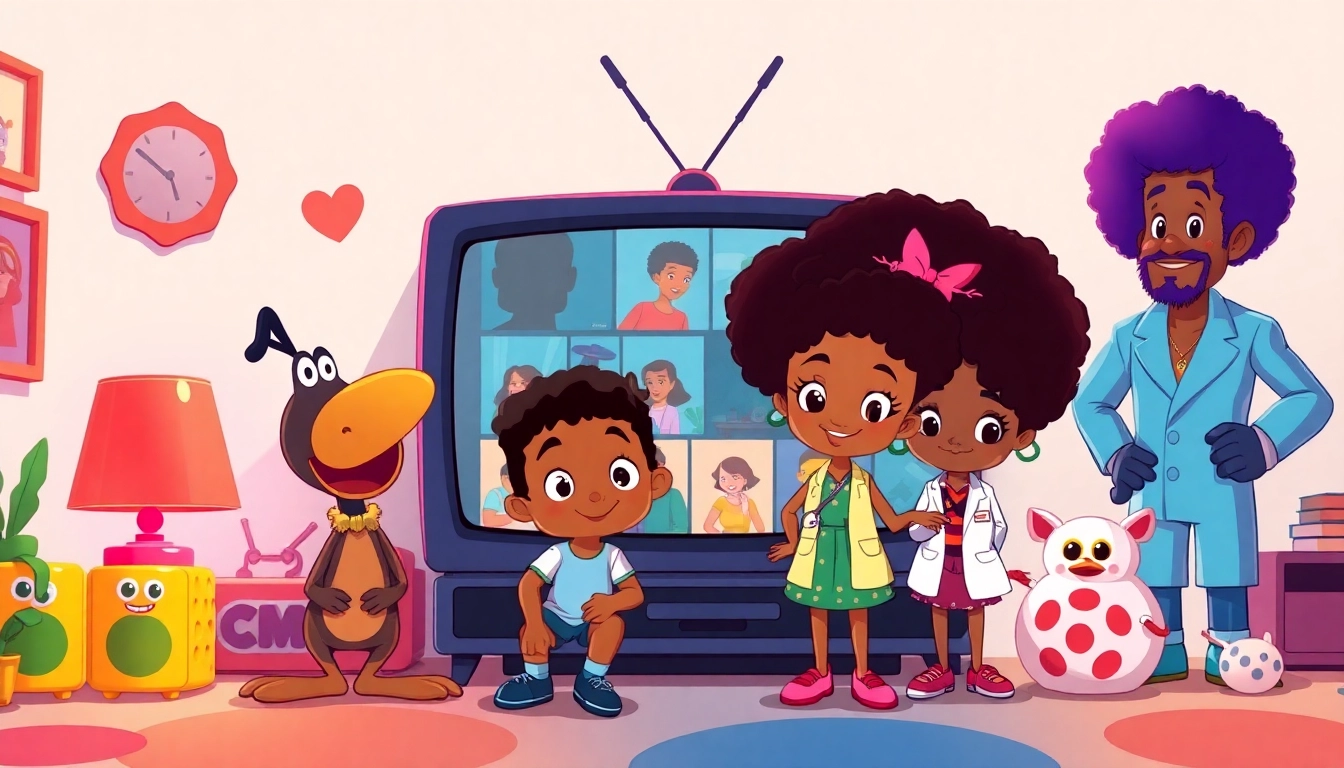
African American cartoons have played a pivotal role in shaping cultural narratives, providing representation, and fostering diversity in animation. These animated stories not only entertain but also serve as powerful vehicles for social commentary, allowing audiences to connect with characters and narratives that reflect their experiences. The impact of these cartoons extends beyond entertainment, offering insights into the rich tapestry of African American culture and history. When exploring options, African American Cartoons can offer comprehensive insights into this vibrant genre.
Understanding Representation in Animation
Representation in animation is crucial because it shapes how audiences perceive themselves and others. For many African American viewers, seeing characters that authentically reflect their experiences fosters a sense of belonging and validation. Iconic shows like “The Boondocks” and “The Proud Family” have challenged stereotypes while celebrating cultural heritage, proving that animation can be a powerful tool for understanding and empathy.
The Evolution of African American Cartoons
The landscape of African American cartoons has evolved significantly from the early days of animation. Initially, characters depicted exaggerated racial stereotypes, often reinforcing harmful narratives. However, as creators like Aaron McGruder (creator of “The Boondocks”) and Bruce W. Smith (creator of “The Proud Family”) gained prominence, the focus shifted toward more nuanced portrayals. Over the decades, audiences have witnessed a transition from caricature to character-driven storytelling, where black characters are depicted with depth, complexity, and relatability.
Impact on Children and Society
The impact of African American cartoons on children cannot be overstated. Shows like “Doc McStuffins” and “Motown Magic” empower young viewers by showcasing strong, diverse characters who navigate challenges with resilience and creativity. These programs inspire not only a sense of identity but also encourage inclusivity, helping to dismantle stereotypes and broaden understanding among children of all backgrounds. The ability to see oneself represented positively in media can have lasting effects on self-esteem and social perception.
Iconic Characters and Their Stories
Top 10 Most Influential African American Cartoon Characters
- Huey and Riley Freeman (“The Boondocks”)
- Doc McStuffins (“Doc McStuffins”)
- Penny Proud (“The Proud Family”)
- Ben Tennyson (“Ben 10”) – as his love interest, Gwen, is of African American descent.
- Frozone (“The Incredibles”)
- Oswald Cobblepot (“Gotham”)
- Sasha Waybright (“Amphibia”) – the series features diverse supporting characters.
- Various characters in “The Legend of Korra,” which reflects diversity and inclusivity.
- Tyler in “The Amazing World of Gumball”
- Jaden in “The Backyardigans”
These characters have left an indelible mark on both animation and pop culture, representing the richness of African American experiences and stories.
Character Development and Story Arcs
The character development in African American cartoons is often grounded in realism and cultural relevance. For instance, Huey Freeman’s character in “The Boondocks” is not merely there for comic relief; he serves as a voice of reason and a critique of societal norms. Similarly, Penny Proud navigates the complexities of adolescence while tackling issues like self-acceptance and community. This depth contributes to creating relatable characters that resonate with audiences across generations.
Behind-the-Scenes: Creators and Visionaries
The success of African American cartoons can be traced back to visionary creators who have dedicated themselves to telling authentic stories. Figures like Shonda Rhimes and Chris Rock have contributed to the richness of animated content, pushing boundaries and advocating for diverse narratives. Their passion and commitment have paved the way for future generations of animators to explore and express diverse cultural experiences through the medium of animation.
Trends and Developments in Cartoon Animation
Emerging Styles and Techniques in 2026
The animation industry is continuously evolving, with new styles and techniques emerging in 2026. A marked trend is the blending of traditional and digital animation techniques, allowing for more vivid and dynamic storytelling. Additionally, there is a growing emphasis on hybrid genres that combine live-action with animation, providing a distinctive viewing experience that appeals to both children and adults.
The Role of Technology in Animation
Technology has revolutionized animation, enabling creators to push the boundaries of storytelling. Advances in graphic design software and animation tools have made it easier for creators to bring their visions to life. Furthermore, augmented reality (AR) and virtual reality (VR) are beginning to play a significant role, providing immersive experiences that engage audiences in novel ways. These technologies are especially promising for educational content in African American cartoons, allowing for interactive learning experiences.
Sustainability and Social Impact in Animation
As the world becomes increasingly aware of environmental issues, sustainability in animation is gaining traction. Many creators are now focused on eco-friendly practices, whether through the materials used in production or the themes explored in their narratives. Social impact initiatives are also on the rise, where cartoons aim not only to entertain but to inspire social change, encouraging viewers to engage with pressing societal issues.
Where to Watch: Streaming Platforms and Availability
Top Streaming Services for African American Cartoons
As the demand for diverse content grows, several streaming platforms have stepped up to offer extensive libraries of African American cartoons. Services like Netflix, Hulu, and Disney+ have made strides in curating collections that highlight African American stories and characters. Additionally, platforms like African American Cartoons provide viewers with easy access to classic and contemporary works, ensuring that these valuable narratives remain accessible.
Recommendations by Genre
- Family-Friendly: “Doc McStuffins” and “The Proud Family”
- Action/Adventure: “Afro Samurai” and “Black Dynamite”
- Comedy: “The Boondocks” and “Creed: Rise of the Warrior”
- Educational: “Motown Magic” and “Little Bill”
Accessibility and Inclusivity in Streaming
Accessibility is a key factor in enjoying content. Many streaming services are now prioritizing inclusivity by providing content with subtitles, dubbing, and audio descriptions. This makes African American cartoons more accessible to diverse audiences, including those with disabilities. Furthermore, initiatives aimed at promoting content from marginalized creators are gaining momentum, enhancing the landscape of representation in animation.
Future of African American Cartoons: What’s Next?
Predictions for Upcoming Shows and Characters
The future of African American cartoons appears bright, with numerous upcoming projects in the pipeline. Anticipated series like “The Proud Family: Louder and Prouder” continue to push the envelope, introducing new characters and storylines that reflect contemporary societal issues. As the animation industry continues to embrace diversity, we can expect to see more complex characters and narratives that resonate with audiences worldwide.
Industry Insights from Experts
Industry experts predict that the next wave of African American cartoons will focus on a blend of entertainment and activism, empowering young viewers to engage with social justice topics. Creators are increasingly aware of their responsibility to shape narratives that inspire positive change and promote cultural awareness.
How to Get Involved in Animation
For those interested in becoming part of the animation industry, networking and education are key. Aspiring animators can benefit from attending workshops, enrolling in animation programs, and participating in community events that celebrate African American storytelling. Engaging with online forums and joining professional organizations can also provide valuable insights and connections within the industry.