Introduction to Wildfire Events
Wildfires are a powerful force of nature, capable of causing extensive damage to ecosystems, human settlements, and wildlife. Every year, billions of dollars are spent managing Wildfire events and mitigating their impacts. Understanding the triggers, consequences, and prevention strategies associated with these events is critical to fostering a culture of preparedness and resilience. This expansive guide will delve into the multifaceted nature of wildfire events, exploring their causes, effects, preparedness measures, and prevention strategies.
Defining Wildfire Events
A wildfire event encompasses any uncontrolled fire that spreads through vegetation without human intervention. This phenomenon can occur in forested areas, grasslands, and other undeveloped lands. Classification of wildfires typically includes categories such as surface fires, ground fires, and crown fires, each with distinct behaviors and potential hazards.
Understanding Causes and Triggers
Wildfire events can be ignited by various causes which can be broadly categorized into human-related and natural triggers. Natural causes primarily include lightning strikes, while human activities can involve discarded cigarettes, arson, or uncontrolled campfires. The interplay of environmental factors, such as hot temperatures, low humidity, and strong winds, can significantly escalate the spread and intensity of these fires.
The Importance of Awareness
Raising awareness about wildfire risks and preparedness is essential for the safety of communities. Programs educating residents about fire safety, evacuation plans, and emergency contacts can dramatically improve response times and reduce panic during wildfire events. Communities that prioritize education foster resilience, significantly lowering the risks associated with such disasters.
Impacts of Wildfire Events
Environmental Consequences
The environmental impacts of wildfire events are profound. Though some ecosystems depend on fire for regeneration, uncontrolled wildfires can lead to soil erosion, habitat destruction, and air pollution. The release of carbon into the atmosphere exacerbates climate change, increasing global temperatures and altering weather patterns. Biodiversity loss, due to the destruction of habitats, can have cascading effects on ecosystems.
Effects on Communities
Beyond environmental concerns, wildfire events have devastating impacts on communities. Beyond property damage—which can amount to millions—mental health issues can arise among affected individuals, stemming from trauma and loss. Evacuations and displacement force residents to adapt to temporary living situations, placing additional strain on community resources.
Economic Ramifications
The economic effects of wildfire events extend beyond immediate firefighting costs. These disasters can disrupt local economies, leading to loss of jobs, decreased tourism, and reduced property values. Insurance claims from wildfire damage can overwhelm companies, leading to increased premiums across the board. Investing in prevention and preparedness not only saves lives but mitigates these significant economic impacts.
Preparedness for Wildfire Events
Creating an Emergency Plan
An emergency plan is the backbone of wildfire preparedness for both individuals and communities. This plan should detail escape routes, communication strategies, and a list of essential supplies. Individuals should discuss and practice the plan with family members, ensuring everyone understands their role in the event of a wildfire.
Essential Safety Measures
Implementing essential safety measures is crucial in fire-prone areas. Homeowners can create defensible spaces by clearing flammable vegetation around their properties, using fire-resistant building materials, and maintaining proper landscaping. Furthermore, regular maintenance of home heating systems and electrical wiring can prevent accidental ignitions.
Community Involvement Strategies
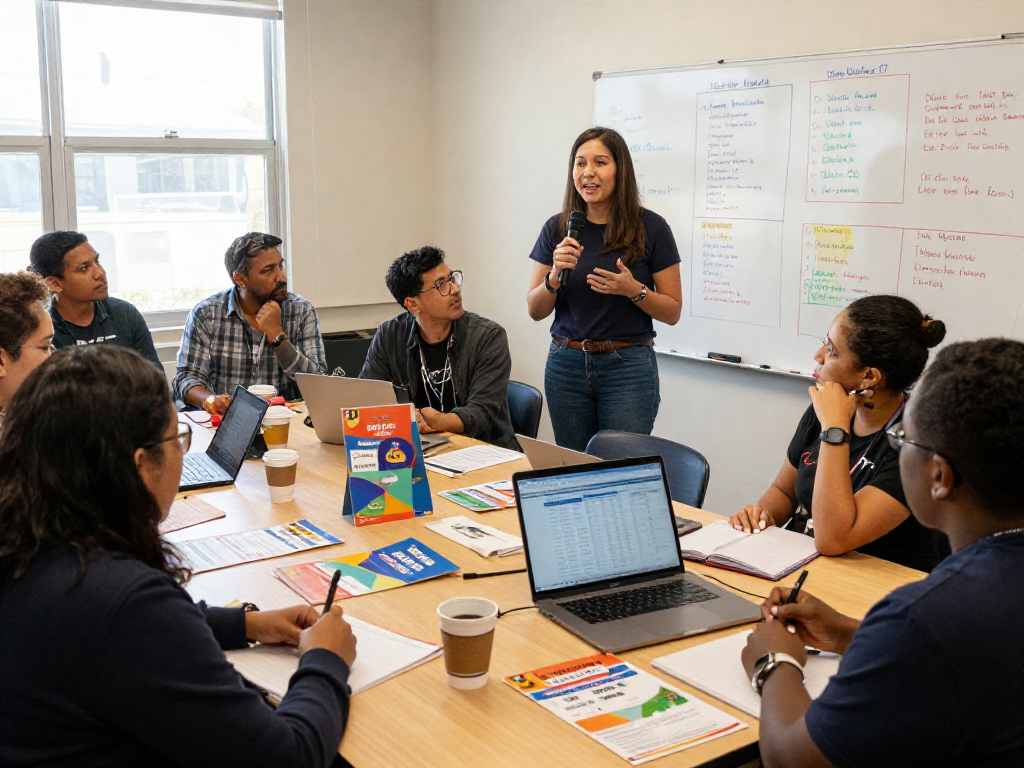
Community involvement plays a vital role in wildfire preparedness. Local organizations and fire departments can host workshops, simulations, and even community clean-up days, fostering a sense of collective responsibility. Encouraging participation in local wildfire prevention committees helps raise awareness and build stronger networks in preparation for potential events.
Preventing Wildfire Events
Effective Fire Management Practices
Effective fire management practices focus on proactive strategies to reduce fire risks. Controlled burns, also known as prescribed fires, are a method to reduce excess fuel buildup in forests. Hand-in-hand with controlled burns is the maintenance of firebreaks—cleared strips of land that help contain fires and prevent them from spreading to populated areas.
Education and Awareness Campaigns
Education is the cornerstone of wildfire prevention. Awareness campaigns targeted at both rural and urban populations can highlight fire safety practices and the importance of reporting suspicious activities that may lead to wildfires. Schools, local governments, and non-profits can collaborate to disseminate information effectively.
Policy and Regulation Recommendations
Policy recommendations play a significant role in wildfire prevention strategies. Governments should enforce land use regulations that limit development in high-risk areas, thus reducing the number of structures endangered by wildfires. Funding for research on wildfire management technologies can also enhance prevention efforts and decision-making processes in fire-prone regions.
Frequently Asked Questions about Wildfire Events
What causes a wildfire event?
A wildfire event can be caused by natural means such as lightning or human activities like campfires, discarded cigarettes, or arson. Environmental factors like dry conditions and high winds exacerbate fires.
How can I prepare for a wildfire event?
Preparation includes creating an emergency plan, establishing evacuation routes, and maintaining a defensible space by clearing flammable materials from around your home.
What are the long-term effects of wildfire events?
Long-term effects can range from ecological damage and loss of wildlife habitat to economic hardships for communities. Mental health impacts among affected individuals are also common.
What communities are most at risk for wildfire events?
Communities near forests or open lands, especially in dry climates, are at higher risk for wildfire events. Urban areas with homes built adjacent to wildland areas are also susceptible.
How can I help during wildfire events?
You can help by donating to organizations focused on wildfire relief, volunteering in recovery efforts, and being an advocate for community preparedness programs.