The Importance of Education
Defining Education and Its Impact
Education transcends mere academic instruction; it is the bedrock upon which societies are built and individual lives are constructed. Defined broadly, education encompasses the formal transmission of knowledge and skills from one generation to the next, facilitating personal growth and societal progression. It shapes critical thinking, promotes citizenship, and fosters emotional intelligence. By engaging in Education, individuals cultivate the capacity to navigate life’s complexities with confidence and competence.
Cultural and Social Significance of Education
The cultural implications of education are profound, given that education serves as a conduit for cultural transmission. In varied contexts, educational systems uphold cultural values while also transmitting essential social norms. For instance, in many indigenous cultures, traditional teachings are passed down through storytelling, a method that ensures the preservation of identity. Education, therefore, acts as a bridge linking generations, fostering an understanding of historical context and promoting social cohesion through shared values. Moreover, it instills a sense of community and belonging as individuals interact within educational settings.
Education and Personal Development
Education is unequivocally tied to personal development. Beyond imparting knowledge, it enriches individuals’ character, influences their aspirations, and shapes their career trajectories. It fosters resilience, encourages curiosity, and inspires lifelong learning. Individuals equipped with a solid educational foundation are generally better prepared to face personal and professional challenges. Moreover, education enhances one’s ability to make informed decisions, thereby positioning educated individuals as influential contributors to their communities and the world at large.
Types of Education
Formal vs. Informal Education
Education manifests in various formats, with formal and informal education being the most prominent. Formal education typically occurs within structured environments, such as schools and universities, where curricula are designed to meet specific learning outcomes. In contrast, informal education occurs outside traditional classroom settings. This may include learning through life experiences, self-study, or community-based activities. While formal education is essential for acquiring foundational skills, informal education plays a critical role in shaping social adaptiveness and practical skills necessary for everyday life.
Alternative Education Models
Alternative education models address the diverse needs of learners who may not thrive within conventional educational frameworks. These include Montessori, Waldorf, and experiential education models, each offering unique approaches tailored to individual learning styles. For instance, Montessori education emphasizes self-directed, hands-on learning, fostering independence in students. In contrast, Waldorf education nurtures creativity and imagination through a holistic curriculum that integrates arts and practical tasks. Such alternative models recognize that one size does not fit all, advocating for personalized learning paths that enhance engagement and promote genuine interest in education.
Vocational Education and Training
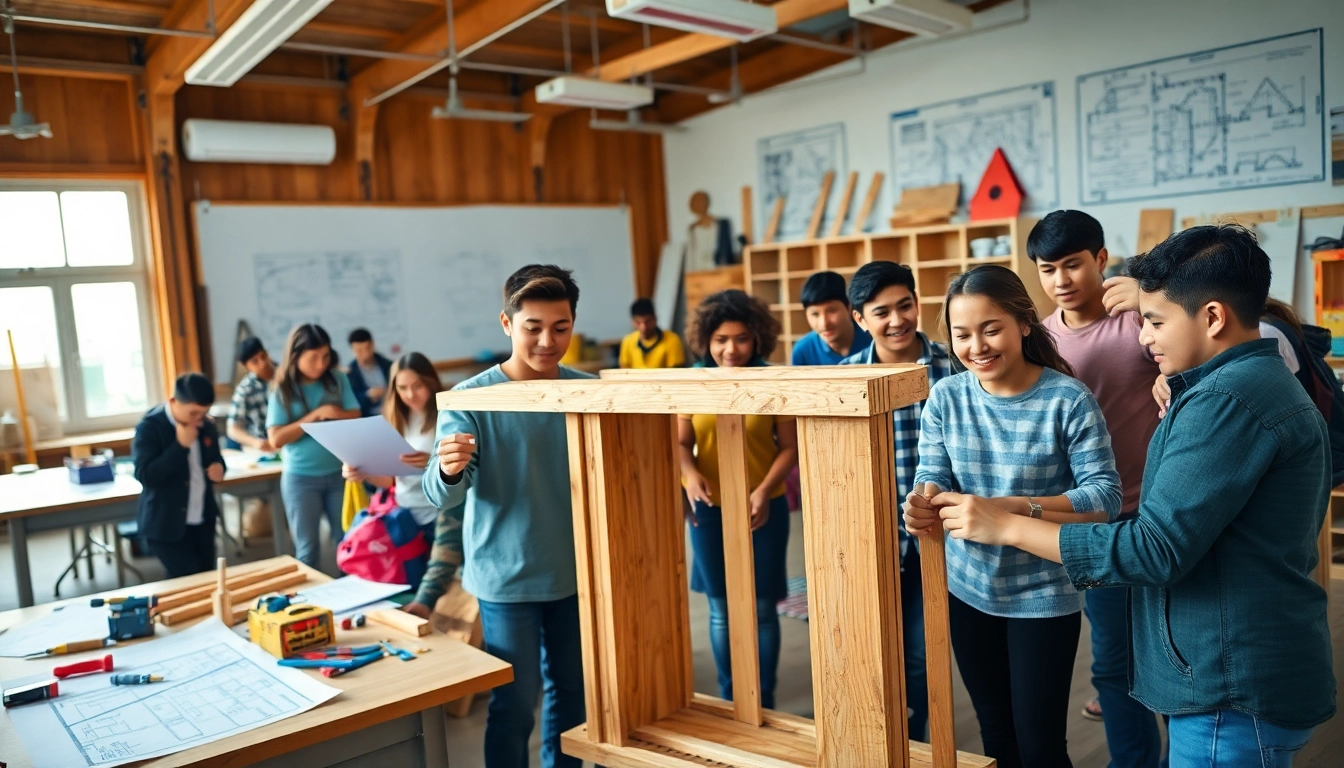
Vocational education and training (VET) occupy a critical niche within the educational landscape by equipping individuals with specialized skills for the workforce. Unlike traditional academic pathways that emphasize theoretical knowledge, VET focuses on practical applications and job-ready skills. Programs often incorporate internships and apprenticeships, allowing learners to gain hands-on experience and direct exposure to the demands of their chosen fields. This approach not only empowers individuals to pursue fulfilling careers but also addresses industry skill shortages, ultimately fostering economic growth.
Current Trends in Education
Technology Integration in Education
The integration of technology in education has revolutionized traditional teaching methodologies, facilitating a more interactive and engaging learning environment. Tools such as interactive whiteboards, educational software, and virtual reality applications augment the educational experience, making learning more immersive. Moreover, educators leverage data analytics to assess learning patterns and personalize instruction, ensuring that diverse learner needs are met more effectively. This trend emphasizes the necessity of technological literacy as a core competency in the 21st century, equipping students to navigate a rapidly evolving digital landscape.
Online Learning Platforms
The rise of online learning platforms has democratized access to education, breaking geographical barriers and enabling learners to pursue knowledge at their own pace. Platforms such as Massive Open Online Courses (MOOCs) offer diverse subjects taught by experts from around the globe, catering to various interests and professional aspirations. This flexibility allows individuals to engage with educational content on their terms, whether through synchronous or asynchronous learning modes. Despite challenges related to learner engagement and course completion, online education presents opportunities for widespread skill development and lifelong learning.
Personalized Learning Approaches
As understanding of learner diversity grows, personalized learning approaches are gaining traction. This methodology recognizes that each learner has unique strengths and challenges, advocating for tailored instructional strategies that align with individual needs. Techniques may include adaptive learning technologies, differentiated instruction, and competency-based assessments, enabling students to progress at their own pace. By promoting autonomy and engagement, personalized learning fosters a learner-centered environment that can lead to improved educational outcomes and greater satisfaction.
Challenges Facing Education Today
Access and Equity in Education
Despite advancements in educational frameworks, access and equity remain pressing issues. Socioeconomic disparities often translate into unequal educational opportunities, with marginalized groups facing greater barriers to access quality materials and instruction. Addressing these inequalities requires comprehensive policy measures that ensure equitable distribution of resources, including funding for underperforming schools and access to technology. Advocacy for social justice in education emphasizes the importance of creating inclusive environments where all students have the opportunity to thrive.
Quality vs. Quantity in Educational Systems
As educational institutions strive to increase enrollment numbers, the challenge of maintaining quality arises. 'Quality' education encompasses not only high graduation rates but also the promotion of critical thinking, creativity, and problem-solving skills. Balancing quantity and quality requires a strategic approach, focusing on curriculum development, teacher training, and resource allocation. Continuous monitoring and feedback mechanisms are vital in identifying areas of improvement, ensuring that educational programs remain robust and effective.
The Role of Policy in Education
Educational policy plays a crucial role in shaping educational systems and practices. Policymakers must navigate a complex landscape to create frameworks that promote equitable access, improve educational standards, and support teachers. Evidence-based policies grounded in research foster innovative practices and address long-standing systemic challenges. Collaboration among stakeholders—including educators, families, and community members—enhances the efficacy of educational policies, ensuring they reflect the needs and aspirations of those they serve.
The Future of Education
Sustainability in Education
As global challenges such as climate change and social inequality intensify, sustainability in education has emerged as a vital area of focus. Educational institutions increasingly incorporate sustainability into their curricula, fostering awareness and action among students. This includes promoting environmentally-friendly practices within schools, integrating sustainability education into various subjects, and cultivating a sense of responsibility toward the planet. By preparing learners to engage with complex global challenges, sustainability-oriented education encourages active citizenship and informed decision-making.
Global Education Initiatives
Global initiatives seek to address the disparities in education access and quality across nations. Initiatives such as the UNESCO Education 2030 Framework aim to promote inclusive and equitable quality education for all, emphasizing lifelong learning. These collective efforts underscore the importance of collaboration among nations to share best practices, resources, and expertise. By aligning efforts toward common educational goals, stakeholders work collectively to overcome barriers and pave the way for a more educated and equitable world.
Innovative Practices for Tomorrow's Learners
The future of education is poised for transformation through innovative practices that prioritize creativity, collaboration, and critical thinking. Experiential learning methods—such as project-based learning and service learning—encourage students to apply their knowledge in real-world scenarios, fostering deeper understanding and skill development. Moreover, interdisciplinary approaches break down the silos between subjects, promoting holistic learning experiences that mirror the complexities of modern life. As educators continue to explore and implement these practices, the education system will evolve to meet the needs of future learners effectively.