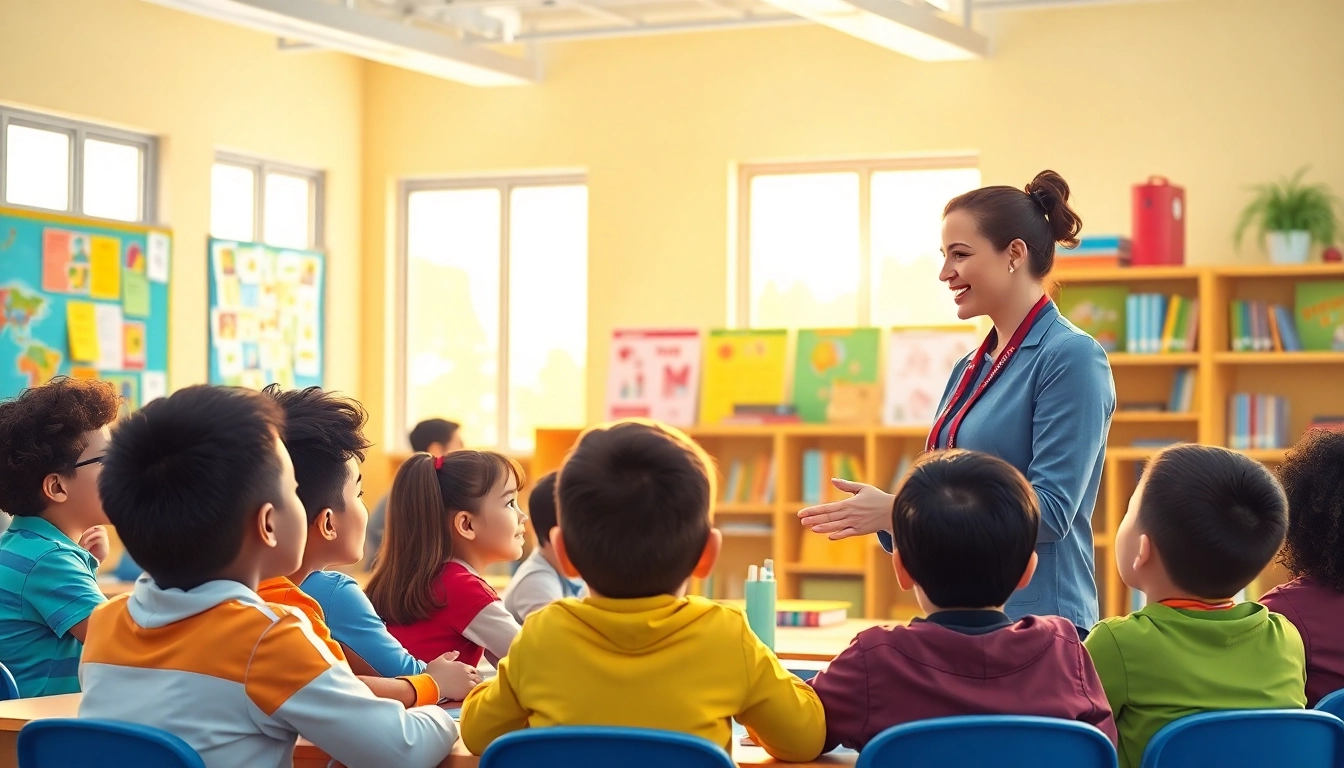

The Importance of Education in Today’s Society
Education plays a crucial role in shaping individuals and society, serving as the gateway to equal opportunity, economic growth, and social justice. In an era characterized by rapid change and technological advancement, understanding the multifaceted nature of education is more important than ever. Dr. Matthew Lynch, an expert in education equity, reform, and innovation, champions the need for innovative approaches to education that promote freedom, equality, and justice. By advocating for transformational education strategies, Dr. Lynch aligns with global movements aimed at enhancing educational access and quality for all. When exploring options, education serves as a vital resource for insights into current trends and practices that can lead to meaningful reform.
Understanding the Role of Education in Equal Opportunity
The concept of equal opportunity is inherently tied to education. Access to quality education is foundational in breaking the cycles of poverty and marginalization. Many communities across the globe continue to face systemic barriers that limit educational attainment. Programs aimed at expanding access, such as scholarships, mentorship initiatives, and community-based education, are pivotal in leveling the playing field. By ensuring that all students, regardless of their socioeconomic status, can access quality education, society moves closer to achieving true equality.
The Connection Between Education and Economic Growth
Education significantly contributes to economic growth by developing a skilled and knowledgeable workforce. Studies consistently show that higher levels of educational attainment correlate with increased productivity and innovation. For instance, regions that invest in education tend to experience faster economic development. Education equips individuals with the necessary skills to adapt to changing job markets, fostering entrepreneurship and driving technological advancements. This symbiotic relationship between education and the economy underscores the critical importance of fostering educational opportunities.
Addressing Common Misconceptions About Education
Common misconceptions about education often hinder reform efforts. One prevalent myth is that education is solely about obtaining a degree. While formal qualifications can open doors, they do not encompass the entire scope of education. Personal development, critical thinking, and skills acquisition are equally important. Another misconception is that innovation in education is only about technology; however, effective pedagogy and curriculum design are fundamental to meaningful teaching and learning experiences.
Reforming Education: The Need for Change
To address the evolving challenges of the 21st century, a fundamental reform of education systems is essential. Many traditional educational frameworks struggle to meet the diverse needs of learners and the demands of modern society. Identifying and understanding current challenges can pave the way for effective reform strategies that foster inclusivity and innovation.
Identifying Current Challenges in Education Systems
Education systems face numerous challenges, including inequitable access to resources, outdated curricula, and a lack of trained educators. These issues contribute to achievement gaps among different demographic groups. Furthermore, the rapid pace of technological advancement poses challenges for educators striving to prepare students for future careers. Addressing these challenges requires a comprehensive, collaborative approach involving stakeholders at all levels.
Best Practices for Effective Education Reform
Effective education reform must be rooted in research and best practices. Implementing evidence-based strategies, such as personalized learning, competency-based education, and culturally relevant pedagogy, can yield significant improvements. Additionally, engaging educators, parents, and the community in the reform process fosters a sense of ownership and accountability, leading to sustainable change.
Case Studies: Successful Education Reform Initiatives
Examining successful education reform initiatives can provide valuable insights for future efforts. Regions such as Finland and Singapore have garnered international attention for their innovative approaches to education. In Finland, the emphasis on teacher autonomy and a focus on student well-being have resulted in one of the world’s most effective education systems. Similarly, Singapore’s commitment to continuous teacher training and a robust curriculum has led to impressive student outcomes. These examples demonstrate that tailored strategies can lead to substantial improvements in education quality.
Innovative Approaches to Teaching and Learning
As education continues to evolve, innovative approaches to teaching and learning are crucial. Integrating contemporary educational practices can help ensure that learners are equipped with the skills and competencies needed for future success.
Integrating Technology in the Classroom
Technology has revolutionized the way education is delivered. Classrooms equipped with digital tools promote interactive learning and facilitate personalized education. By harnessing technology, educators can engage students in ways that cater to various learning styles. E-learning platforms and educational apps offer resources that extend beyond the traditional classroom, making learning more accessible and flexible.
Promoting Collaborative Learning Environments
Collaborative learning environments foster teamwork, critical thinking, and creativity. Through group projects and peer-to-peer learning, students can develop essential communication and social skills. This approach not only enhances academic outcomes but also prepares students for real-world challenges where collaboration is key.
Designing Curriculum for the 21st Century
Curriculum design must reflect the demands of the 21st century. Emphasizing skills like problem-solving, digital literacy, and global awareness can better prepare students for the complexities of the modern world. Schools should consider integrating interdisciplinary approaches that connect knowledge across subjects, ensuring a more holistic educational experience.
Measuring Success in Education
Traditionally, education success has been measured through standardized testing; however, a broader evaluation framework is needed to capture the complexities of student learning and development. Effective measurement tools can provide insights into educational effectiveness and areas for improvement.
Key Performance Indicators for Educators and Institutions
Key performance indicators (KPIs) are essential for assessing the performance of educators and educational institutions. These may include student engagement rates, graduation rates, and post-graduation employment statistics. By regularly monitoring these metrics, stakeholders can identify trends and implement targeted interventions to drive improvement.
Assessment Methods: Beyond Standardized Testing
To foster a more comprehensive understanding of student learning, assessment methods should extend beyond standardized tests. Formative assessments, portfolios, and project-based evaluations can provide a more accurate reflection of student capabilities and development. Such assessments encourage deeper engagement and allow educators to tailor their instruction according to individual student needs.
Feedback Mechanisms for Continuous Improvement
Establishing effective feedback mechanisms is crucial for continuous improvement in education. Regular feedback from students, parents, and educators can provide actionable insights that inform teaching practices and curriculum design. Creating an environment where feedback is welcomed fosters a culture of growth and learning.
The Future of Education: Trends to Watch
As we move toward 2026, several trends are poised to shape the future of education. Staying ahead of these trends can help educators and institutions adapt to the evolving landscape of learning.
Emerging Technologies Shaping Education in 2026
Emerging technologies, such as artificial intelligence, virtual reality, and blockchain, are set to transform educational delivery. AI can provide personalized learning experiences, while virtual reality can create immersive educational environments that enhance engagement. These technologies offer exciting possibilities for enhancing teaching and learning, making education more accessible and interactive.
The Impact of Globalization on Educational Practices
Globalization significantly influences education by promoting cross-cultural exchanges and collaborative learning opportunities. Students can now connect with peers from different parts of the world, fostering a broader understanding of global issues and diverse perspectives. This interconnectedness enriches the educational experience and prepares students for an increasingly globalized job market.
Preparing for the Future Job Market: Skills for Tomorrow
As the job market rapidly evolves, education must ensure that students are equipped with relevant skills. Critical thinking, creativity, and adaptability are among the key competencies that employers seek. Integrating these skills into the curriculum can better prepare students for success in their future careers, aligning educational outcomes with market demands.