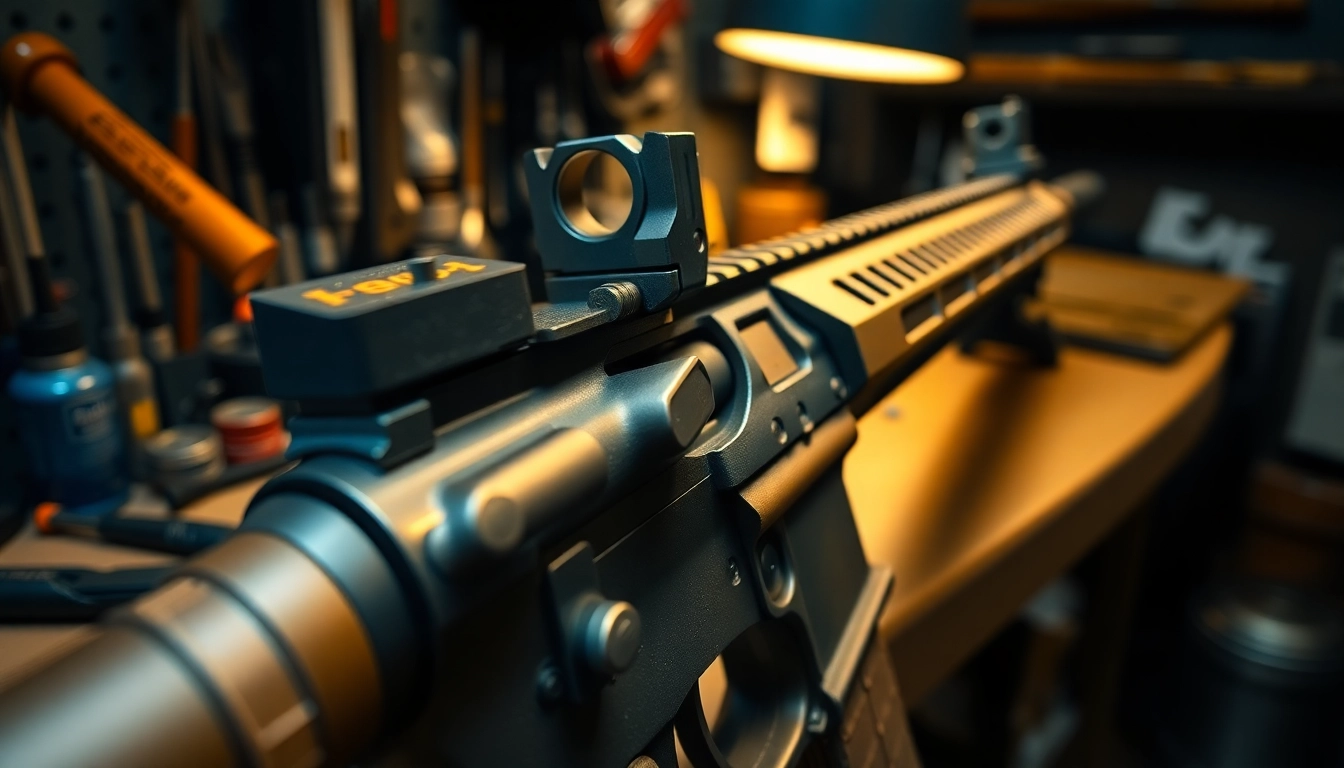
What is a Forced Reset Trigger?
Definition and Functionality
A Forced reset trigger is a specific type of firearm trigger designed to facilitate rapid firing. Unlike traditional triggers that require manual reset after each shot, forced reset triggers utilize the firearm's own mechanical action to reset the trigger automatically after a shot is fired. This innovative mechanism allows the triggering component to push forward automatically during the cycle of the firearm's operation, readying it for the next shot without needing an additional manual pull.
How It Differs from Traditional Triggers
Traditional firearm triggers require the shooter to release and then pull the trigger again for successive shots. In contrast, forced reset triggers integrate a mechanism that allows the trigger to reset itself as the firearm's action cycles. This difference results in a significantly faster firing rate while still requiring the shooter to pull the trigger for each shot, thus keeping within legal firearm definitions while enhancing shooting efficiency.
Common Applications in Firearms
Forced reset triggers can be found in various firearms, most commonly in semi-automatic rifles and pistols. These triggers are often used in sporting applications such as competitive shooting, where speed and accuracy are vital. Additionally, enthusiasts may install forced reset triggers in personal defense or tactical weapons to improve responsiveness during high-stress situations.
Advantages of Using Forced Reset Triggers
Enhanced Shooting Speed and Control
One of the most significant advantages of the forced reset trigger system is its ability to increase the rate of fire without compromising control. As the user fires their weapon, the trigger's unique mechanism allows it to reset quickly, enabling the shooter to fire multiple rounds in rapid succession. This enhanced shooting speed can be tremendously beneficial in competitive scenarios or situations where response time is crucial.
Improved Accuracy and Precision
Because forced reset triggers allow for more controlled and rapid firing, they can also improve accuracy. By maintaining a consistent trigger pull with less disruption during shooting, users can achieve tighter groupings on target. This benefit is particularly valuable in competitive shooting or during precision tasks where every shot counts.
Durability and Engineering Quality
Many forced reset triggers are constructed using high-quality materials, such as heat-treated steel, ensuring durability and longevity. The advanced engineering that goes into these triggers aims to withstand the stresses of repeated firing, making them an excellent investment for serious shooters seeking reliability in performance and lifespan.
The Legal Landscape Surrounding Forced Reset Triggers
Current Federal Regulations
As of recent legal interpretations, forced reset triggers are classified as legal under federal laws in the United States. They are not considered to be machine guns since they require the shooter to pull the trigger for each round fired. This legal standing allows firearms enthusiasts to utilize these components without facing the same restrictions associated with fully automatic weapons.
State-Specific Laws and Variations
Despite favorable federal regulations, firearm owners need to be aware of state laws that may differ significantly. Some states have imposed more stringent regulations surrounding forced reset triggers and similar devices, with certain jurisdictions categorizing them as prohibited items. As laws continue to evolve, it's crucial for gun owners to stay informed about their local legislation to ensure compliance.
Implications for Gun Owners
The legal landscape for forced reset triggers means that gun owners can utilize these devices as long as they remain compliant with both federal and state laws. Understanding these regulations is essential for responsible firearm ownership, especially as legal challenges and state-specific adaptations continue to arise. Owners should conduct regular reviews of their state's firearms laws to stay current on any changes that might affect ownership or use.
Installation and Maintenance Guidelines
Step-by-Step Installation Process
Installing a forced reset trigger can be a straightforward process for users familiar with firearms. Below is a simplified installation guide:
- Ensure the firearm is unloaded and disassemble it according to the manufacturer’s instructions.
- Remove the existing trigger mechanism, ensuring to retain all necessary components.
- Carefully install the forced reset trigger into the receiver, aligning it with the trigger pin holes.
- Reattach any components removed during disassembly, following the reverse steps of disassembly.
- Test the trigger outside of live fire conditions to ensure proper reset functionality and clearance.
- Upon ensuring correct operation, conduct a live-fire test in a safe and controlled environment.
Best Practices for Maintenance
Maintaining a forced reset trigger involves regular cleaning and lubrication to ensure optimal performance:
- Clean the trigger assembly periodically to prevent debris build-up.
- Apply light gun oil to the trigger components sparingly to reduce friction.
- Inspect the mechanism regularly for any signs of wear or damage.
- Ensure that all trigger pins and springs are seated correctly during installation.
Troubleshooting Common Issues
Gun owners may encounter issues with a forced reset trigger. Common problems include failure to reset or misalignment. Troubleshooting steps include:
- Check for proper installation and alignment with the firearm's other components.
- Inspect for any signs of obstructions or dirt in the trigger mechanism.
- Ensure that lubrication is in check; too much or too little can cause issues.
Frequently Asked Questions About Forced Reset Triggers
Are Forced Reset Triggers Legal to Own?
Yes, as per federal laws, forced reset triggers are considered legal, but state laws may vary. It’s essential to check local regulations to ensure compliance.
How Do I Choose the Right Trigger for My Firearm?
Choosing the right trigger involves considering your firearm model, intended use, and specific features desired, such as pull weight and reset speed.
What Are the Typical Costs Involved?
Costs for forced reset triggers can vary widely, generally ranging from $150 to over $500, depending on the brand and features.
Can I Install a Forced Reset Trigger Myself?
Yes, if you have experience with firearm maintenance and assembly, you can install a forced reset trigger. Follow specific manufacturer instructions for guidance.
What Are the Safety Considerations When Using Them?
Safety considerations include ensuring proper installation, keeping the firearm pointed in a safe direction, and participating in ongoing firearm safety training.